

A Chronological Guide to Art History & Inspired Design
Art has accompanied humanity for tens of thousands of years, reflecting our beliefs, aspirations, emotions, and understanding of the cosmos. From prehistoric cave paintings to the complex abstractions of modern masterpieces, each artistic period has shaped our shared visual heritage.
Explore the evolution of art through the ages and discover the movements, cultures, and masterpieces that shaped human creativity.
Origins of Art: Prehistoric Creativity
The earliest known artworks were created tens of thousands of years ago. Long before written language, the first artists created powerful images of animals, symbols, and human life on cave walls and rock surfaces. These early expressions reveal the origins of visual communication and artistic imagination. Cave paintings, animal figures, hand stencils, and symbolic markings reveal humanity’s first attempts to communicate visually.
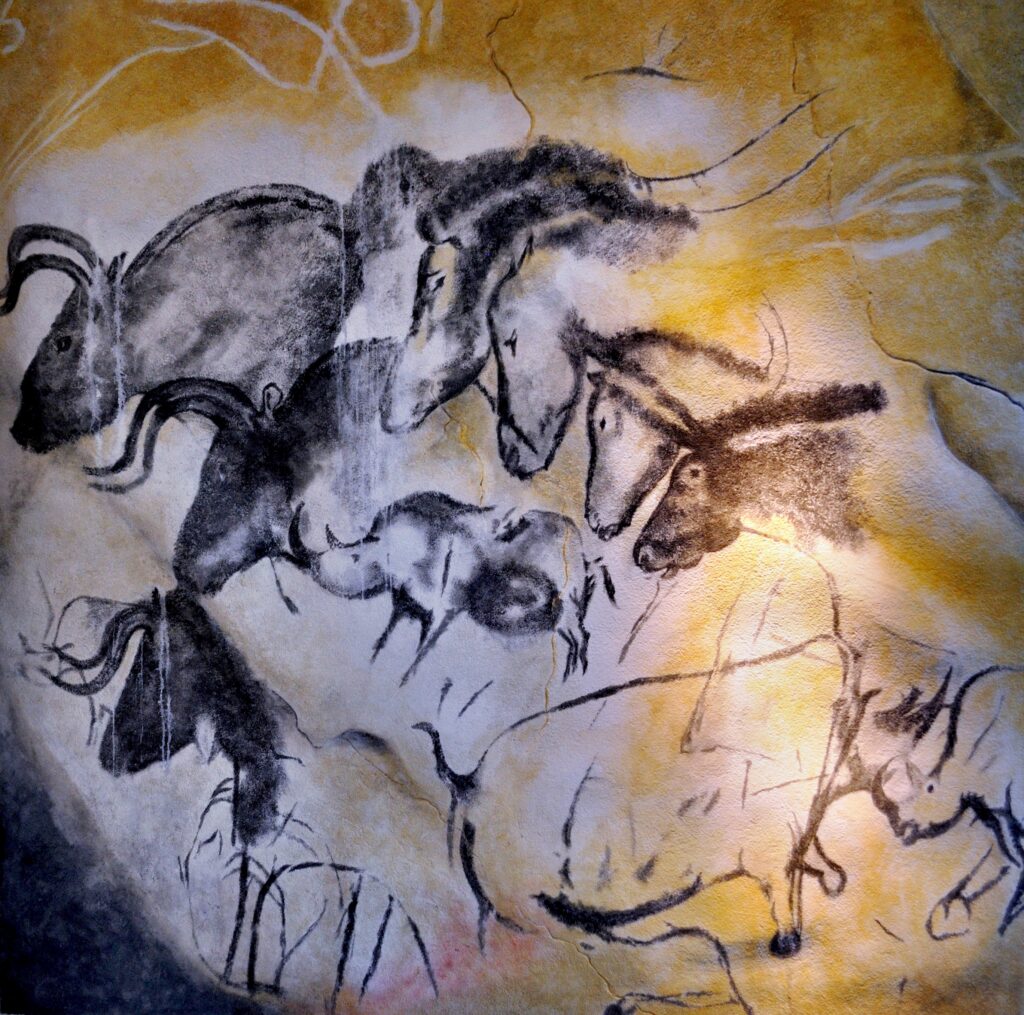
These extraordinary creations laid the foundations for all artistic traditions that followed.
Ancient Art and the Birth of Civilization
As complex societies emerged, art became closely connected to religion, mythology, power, and identity. From the monumental achievements of Egypt and Mesopotamia to the enduring legacies of Greece and Rome, ancient cultures developed sophisticated visual languages that continue to dictate design principles today.
From the monumental achievements of Egypt to the artistic traditions of Mesopotamia, Greece, Rome, and the cultures of Mesoamerica (Aztecs, Mayas…) and other traditions around the world (India, China, Japan, Southeast Asia, Africa, Oceania…), ancient cultures developed sophisticated visual languages that continue to influence artists today.
Egyptian Art
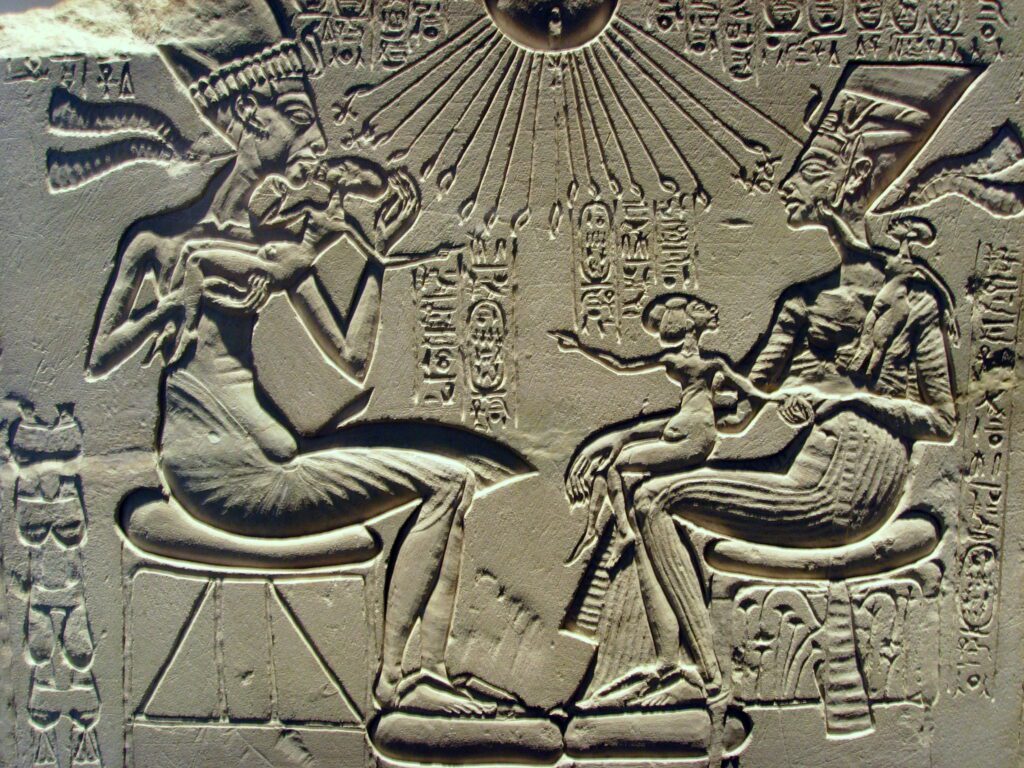
Ancient Egyptian art developed a distinctive visual style rooted in the eternal quest for immortality, utilizing strict religious symbolism and striking frontal perspectives.
Greek Art
Greek artists pursued harmony, proportion, and ideal beauty, establishing foundations that would influence Western art for centuries.

Roman Art
Roman art combined realism, technical mastery, and imperial grandeur, preserving and expanding classical traditions.

Mesoamerican Art
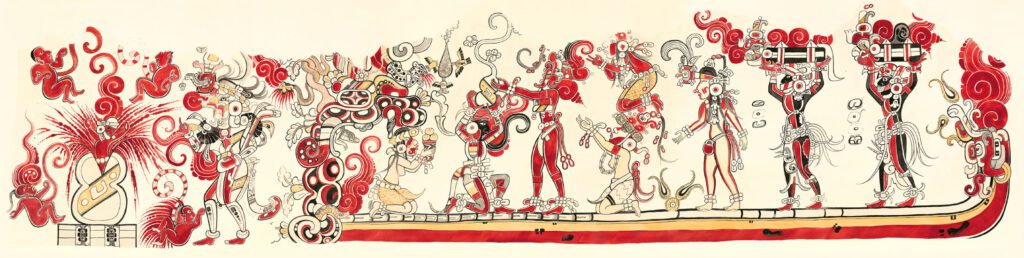
The civilizations of ancient Mesoamerica created highly symbolic artistic traditions reflecting cosmology, mythology, and sacred knowledge.
Medieval Art
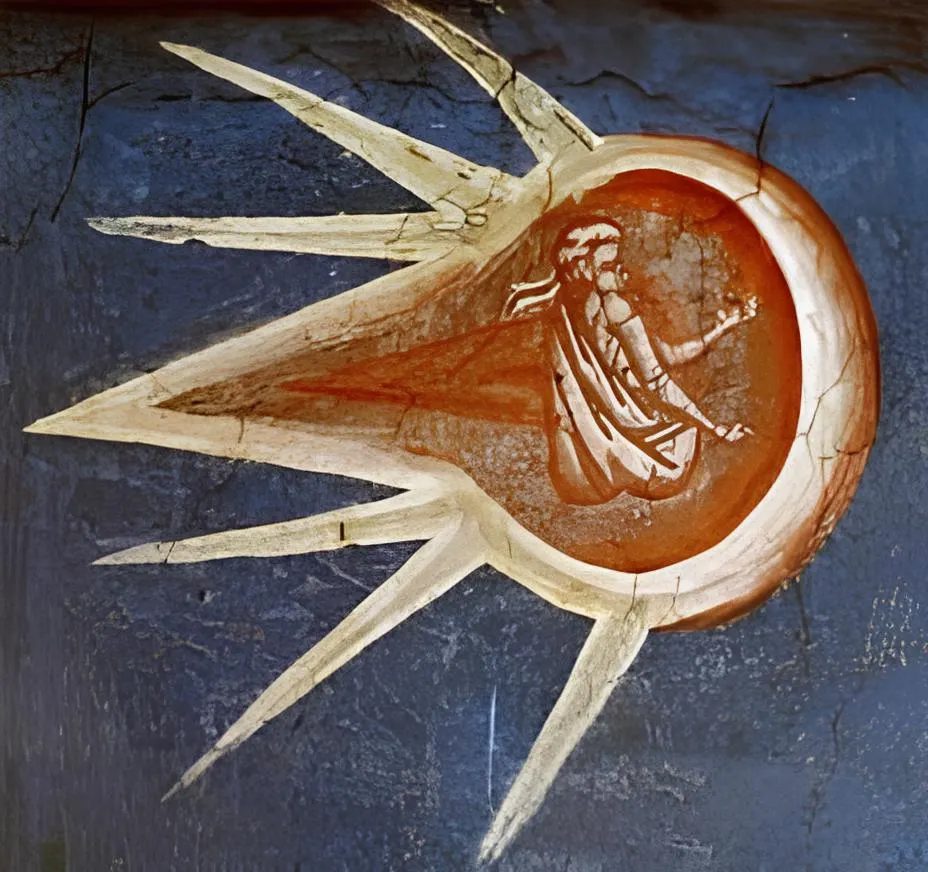
Following the fall of Rome, artistic expression became closely linked to spirituality and religious devotion. Illuminated manuscripts, sacred imagery, Celtic, Norse & Viking and Middle Eastern Cultures, and monumental architecture reflected the beliefs and values of the period.

Renaissance: The Rebirth of Art
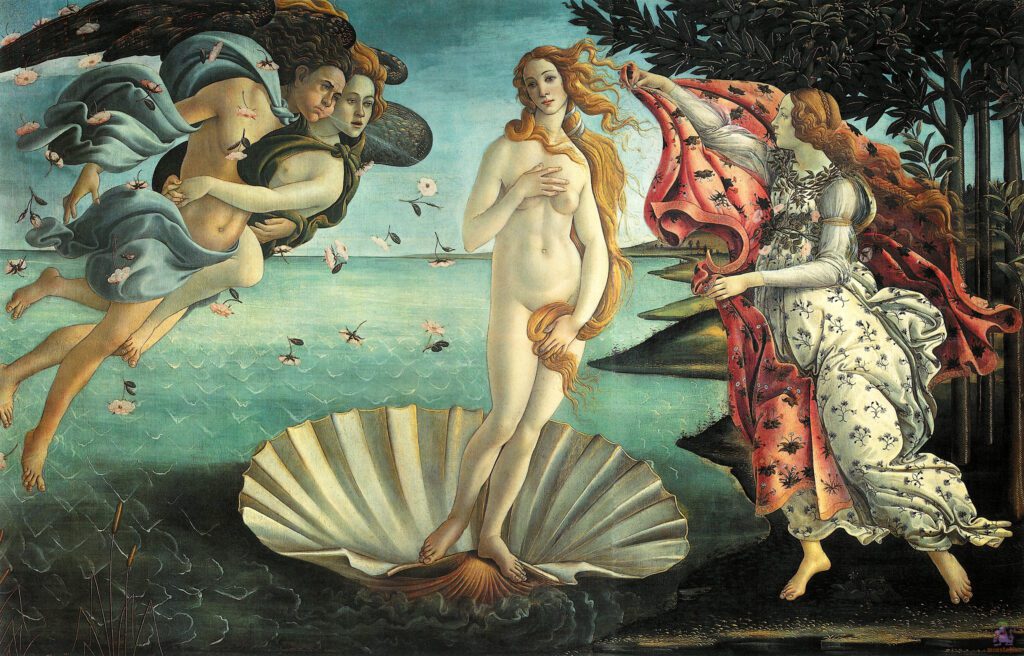
The Renaissance transformed the history of art through innovation, humanism, scientific observation, and technical mastery.
Artists such as Leonardo da Vinci, Michelangelo, and Botticelli created works that remain among the most celebrated masterpieces in history.
Baroque and Rococo
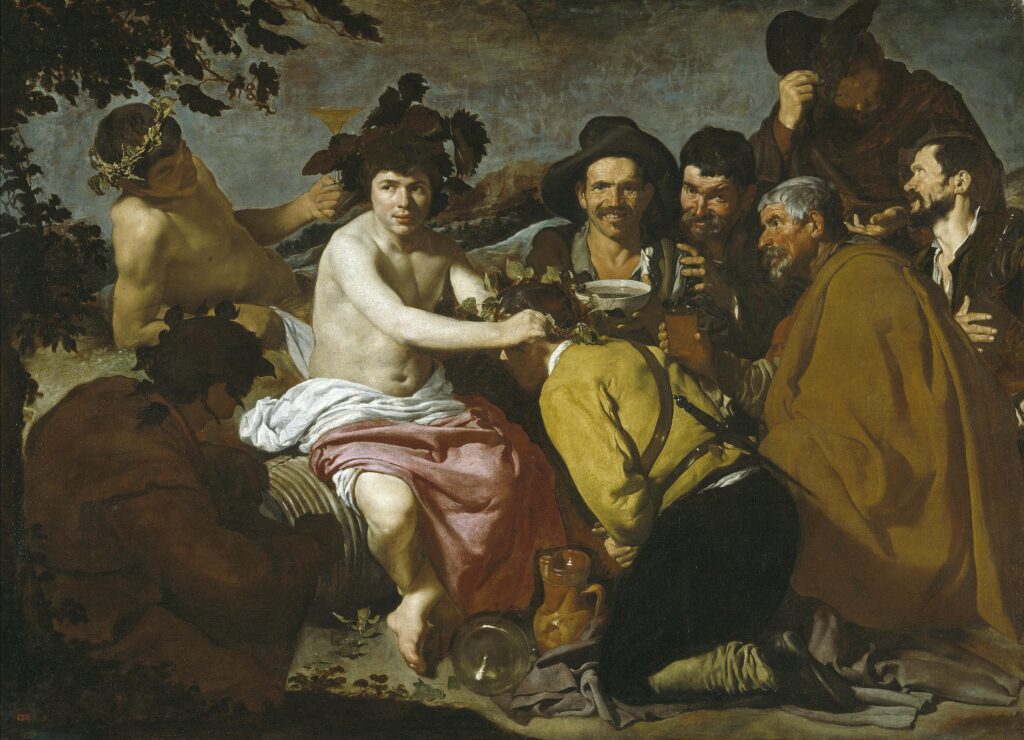
Characterized by movement, drama, emotion, and theatricality, Baroque art sought to engage viewers through powerful visual experiences.
Featured artists: Caravaggio, Rembrandt, Velázquez, Rubens.
Rococo introduced elegance, ornamentation, and playful sophistication. Delicate colors and refined compositions reflected the tastes of aristocratic Europe.
Featured artists: Fragonard, Watteau, Boucher.
Neoclassicism
Inspired by Ancient Greece and Rome, Neoclassicism emphasized order, clarity, balance, and moral ideals. It emerged as a reaction against the extravagance of Rococo art.
Featured artists: Jacques-Louis David, Jean-Auguste-Dominique Ingres.

Romanticism
In contrast to Neoclassicism, Romantic artists celebrated raw human passion, imagination, the sublime force of nature, and dramatic landscapes. Their works explored human passion, individuality, and dramatic landscapes.
Featured artists: Caspar David Friedrich, J. M. W. Turner, Eugène Delacroix.
Realism
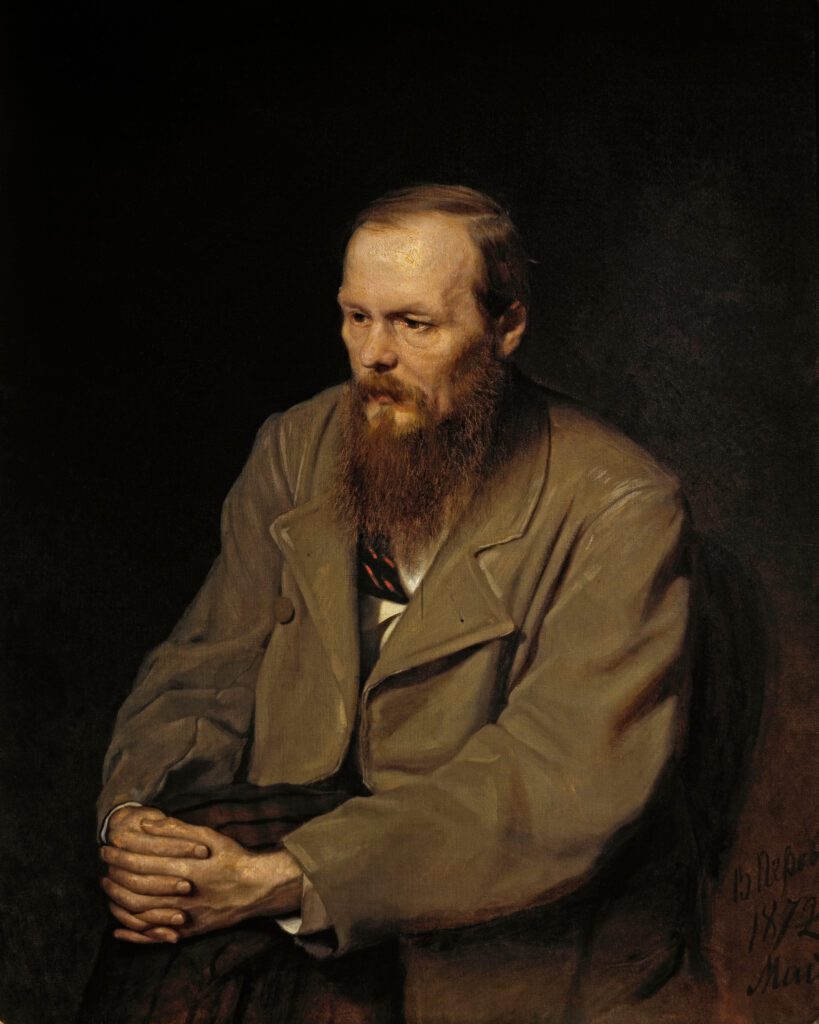
Rejecting idealization, Realist artists focused on everyday life and ordinary people, portraying society with honesty and direct observation.
Featured artists: Gustave Courbet, Jean-François Millet, Ilya Repin.
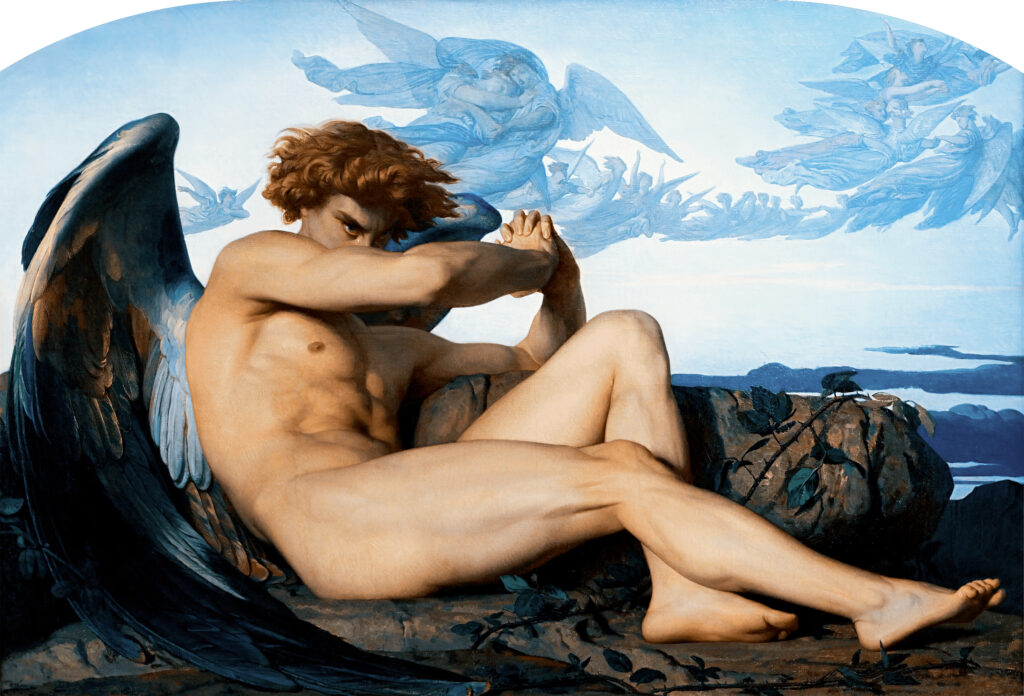
Academic Art
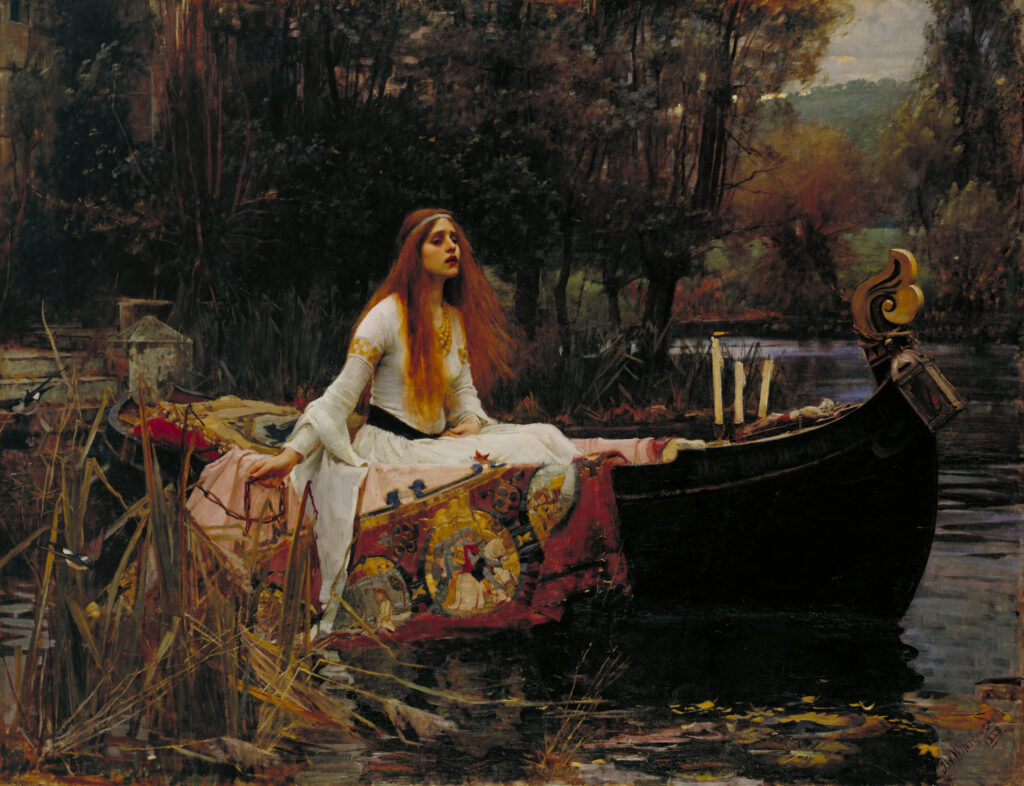
Academic art dominated many nineteenth-century institutions and salons. It emphasized technical excellence, historical subjects, mythology, and idealized beauty.
Featured artists: William-Adolphe Bouguereau, Alexandre Cabanel, Lawrence Alma-Tadema.
Impressionism
Impressionist painters revolutionized art by capturing fleeting moments, changing light, and atmospheric effects through vibrant brushwork and color.
Featured artists: Claude Monet, Pierre-Auguste Renoir, Edgar Degas.

Post-Impressionism
Building upon Impressionism, Post-Impressionist artists explored emotion, symbolism, structure, and personal expression.
Featured artists: Vincent van Gogh, Paul Cézanne, Paul Gauguin.

Art Nouveau
Art Nouveau combined art, nature, and decorative design through flowing organic forms and elegant compositions.
Featured artists: Alphonse Mucha, Gustav Klimt.

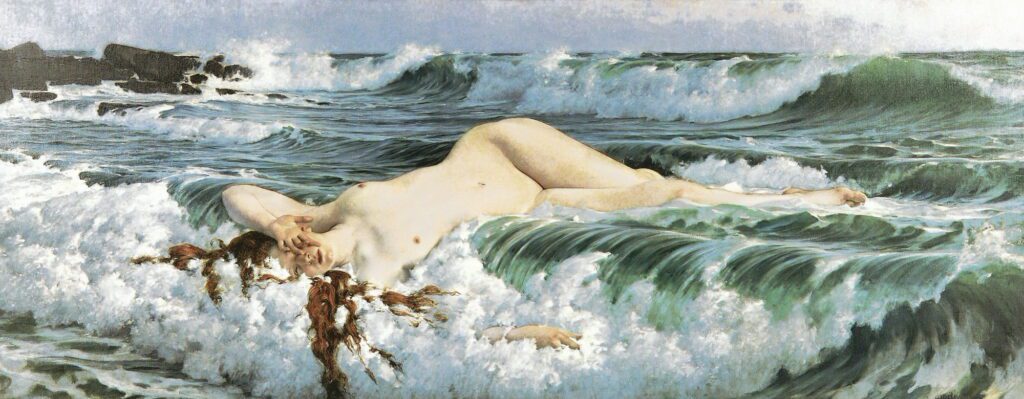
Symbolism
Symbolist artists explored dreams, spirituality, mythology, and the inner world, creating highly evocative and imaginative imagery.
Featured artists: Gustave Moreau, Odilon Redon.
Art Deco
Art Deco emerged during the 1920s and became one of the most influential artistic and design movements of the twentieth century. Defined by geometric patterns, elegant compositions, bold lines, and a sense of luxury, Art Deco embodied the spirit of modern life, innovation, and sophistication.
From iconic posters and fashion illustrations to architecture and decorative arts, the movement celebrated progress while creating a timeless visual language that remains highly popular today. Art Deco artworks continue to be sought after as wall art and prints for their striking aesthetics, refined elegance, and enduring decorative appeal.
Featured artists: Tamara de Lempicka, Erté, A. M. Cassandre.

Modern Art: Unprecedented Experimentation
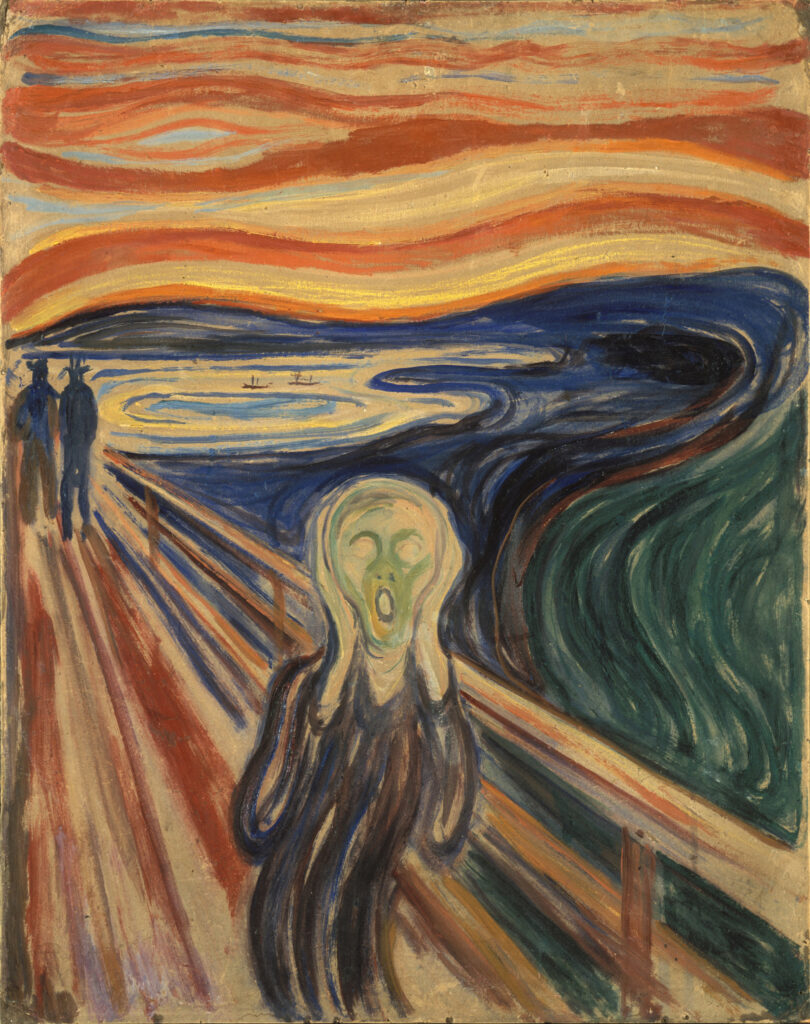
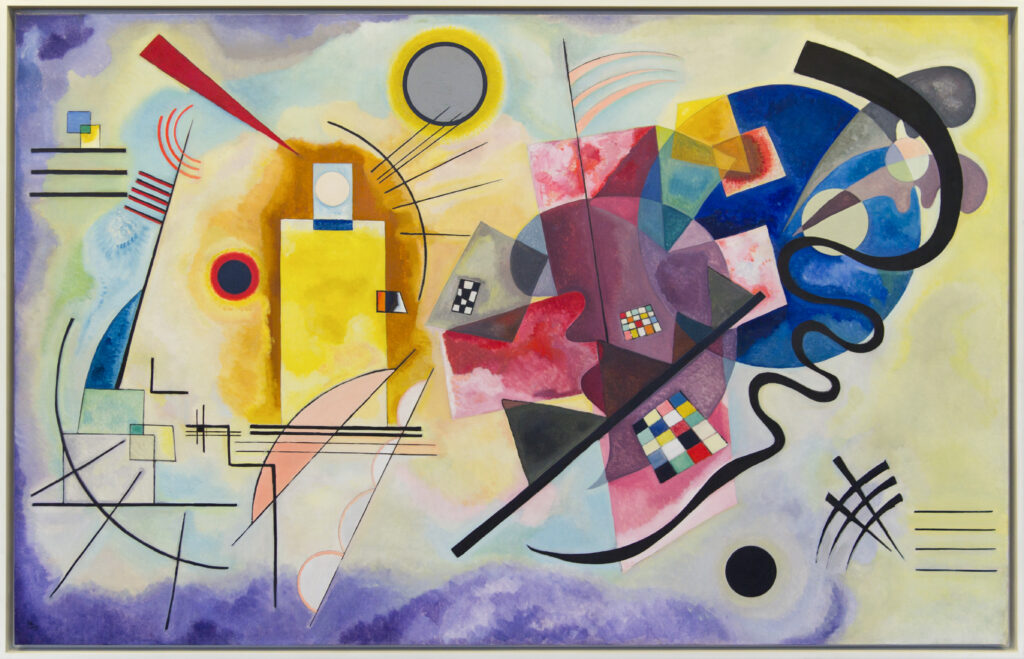
The twentieth century brought radical shifts. Artists challenged traditional forms and explored entirely new ways of seeing and representing reality. Movements like Expressionism, Cubism, Surrealism, and Abstract Art (Picasso, Dalí, Kandinsky, Matisse, Magritte) broke the boundaries of the canvas to explore the subconscious and pure form.
Contemporary Legacy
Today, the artistic achievements of every era continue to inspire collectors, museums, designers, and art lovers around the world. Whether created in a prehistoric cave or a modern studio, great art transcends time and remains a powerful expression of human creativity.
At Timeprint Art, we celebrate this journey by bringing the world’s greatest creative milestones into contemporary spaces. Discover our curated collection of museum-quality wall art—including fine art prints, canvas art, posters, and framed prints—alongside art-inspired clothing for the whole family and unique home decor.


Leave a Reply